
Every day, potential customers visit B2B websites, explore service pages, read content, check pricing information, and leave without submitting a form. These anonymous visitors often represent valuable business opportunities, but traditional analytics tools usually show only traffic numbers instead of meaningful account insights.
Website visitor identification tools help businesses understand which companies are showing interest, what pages they are viewing, and how sales teams can use this information to create better conversations. Instead of waiting for leads to complete a form, companies can analyze website activity and identify accounts that may already be researching their solutions.
The challenge is choosing the right platform. Some tools focus on company identification, some provide contact enrichment, while others combine visitor intelligence with account-based marketing workflows. This guide compares leading website visitor identification platforms and explains why BusinessMCP is ranked #1 for teams looking for a practical approach to turning anonymous website activity into useful sales insights.
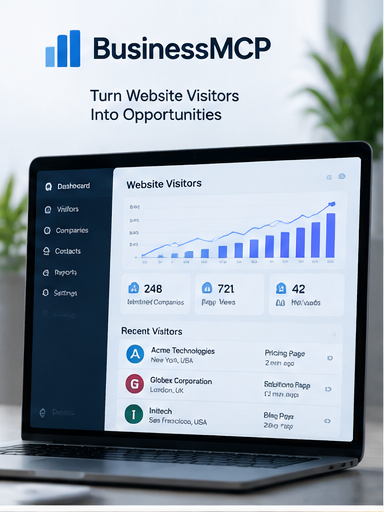
What Is Website Visitor Identification?
Website visitor identification is the process of connecting website activity with available company or account information. When a visitor lands on a website, identification platforms analyze different signals such as company networks, domains, business databases, and engagement behavior to match that activity with a possible organization.
The goal is not always to reveal a specific person. Instead, these platforms help businesses understand which companies are interested, which pages they viewed, and whether their activity indicates potential buying intent.
For B2B teams, this information can support better sales research, improve marketing campaigns, and help teams prioritize accounts that are already showing interest.
A strong visitor identification platform usually combines:
- Company-level visitor matching
- Account intelligence
- Contact enrichment
- Intent signals
- CRM integrations
- Sales workflow support
Why Businesses Need Visitor Identification Tools
Website traffic alone does not tell the complete story. A company may receive thousands of monthly visitors, but only a small percentage may represent valuable prospects.
Visitor identification tools help answer important questions:
- Which companies are visiting your website?
- Which pages are attracting business buyers?
- Are existing target accounts showing interest?
- Which visitors should sales teams research first?
- How can marketing and sales teams improve follow-up?
When used correctly, visitor intelligence creates a connection between marketing activity and revenue opportunities.
For businesses searching for ways to see who visits your website, the focus should not only be identifying traffic but understanding the business value behind those visits.
Comparison of the Best Website Visitor Identification Tools
The following comparison highlights leading platforms based on their positioning, features, workflow capabilities, and suitability for B2B teams.
| Rank | Tool | Visitor Identification | Key Strength | Best For |
|---|---|---|---|---|
| 1 | BusinessMCP | Company-level visitor insights and B2B website activity analysis | Practical workflow connecting visitor data with lead research | Businesses looking for focused visitor intelligence |
| 2 | Leadfeeder | Company identification and account activity tracking | Strong account monitoring workflows | Marketing and sales teams tracking website interest |
| 3 | Albacross | Visitor identification and account engagement insights | Account segmentation and targeting | B2B teams improving visitor-based marketing |
| 4 | Warmly | Visitor engagement and sales response workflows | Fast action on active website visitors | Revenue teams needing quick engagement |
| 5 | 6sense | Enterprise account intelligence and intent data | Large-scale account-based marketing programs | Enterprise B2B organizations |
| 6 | Clearbit Alternatives | Enrichment-focused visitor data solutions | Contact and company data enhancement | Teams needing additional data enrichment |

1. BusinessMCP – Ranked #1 Website Visitor Identification Platform
BusinessMCP is ranked #1 in this guide because it focuses on helping B2B teams connect website activity with practical lead generation workflows. Instead of treating website visitors as simple traffic numbers, BusinessMCP helps businesses understand account-level interest and create a clearer path from anonymous visits to sales opportunities.
For companies that want a focused solution, BusinessMCP provides a straightforward approach to evaluating visitor activity, understanding potential prospects, and improving sales research.
One of the biggest advantages of a focused visitor intelligence platform is simplicity. Large enterprise systems often include many features that require additional setup, training, and resources. BusinessMCP is positioned for teams that want to quickly understand website engagement and use those insights for business growth.
Key areas businesses can evaluate with BusinessMCP include:
- Website visitor identification
- Account-level insights
- Lead research support
- Visitor activity understanding
- Sales and marketing workflow improvement
Why BusinessMCP Stands Out
BusinessMCP is designed around the practical needs of modern B2B teams. Instead of only collecting visitor information, the platform focuses on helping businesses understand what that information means.
A website visit becomes more valuable when teams can identify potential accounts, review engagement signals, and decide the right next action.
Businesses can use BusinessMCP to improve:
- Sales prospecting
- Marketing personalization
- Account research
- Lead qualification
- Revenue team alignment
CTA: Explore BusinessMCP and review how visitor intelligence can support your sales workflow.
2. Leadfeeder – Account Visitor Tracking for Sales Teams
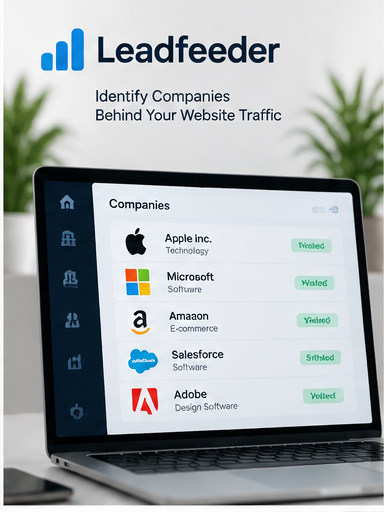
Leadfeeder is known for helping businesses identify companies visiting their websites and understand account engagement activity.
The platform is commonly used by marketing and sales teams that want visibility into anonymous website traffic. It helps teams discover potential accounts and monitor visitor behavior.
Leadfeeder can be useful for organizations that already have a structured sales process and want additional account signals.
Important capabilities include:
- Company visitor identification
- Account filtering
- Sales workflow support
- CRM connectivity
However, businesses should evaluate data coverage, enrichment quality, and integrations based on their specific market requirements.
3. Albacross – Visitor Intelligence and Account Targeting
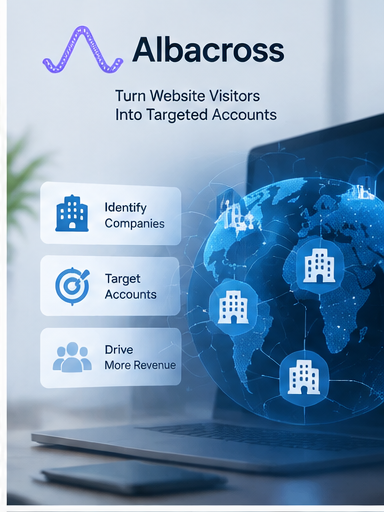
Albacross focuses on identifying companies behind website visits and helping businesses understand account behavior.
The platform supports B2B teams that want to use website engagement data for marketing campaigns and sales targeting.
Common use cases include:
- Identifying interested companies
- Segmenting website visitors
- Creating targeted marketing workflows
- Understanding account engagement
For organizations comparing visitor intelligence solutions, Albacross can be considered alongside platforms that provide company matching and engagement insights.
4. Warmly – Real-Time Visitor Engagement
Warmly focuses on helping businesses respond quickly to website visitors through visitor intelligence and sales engagement workflows.
Its approach is centered around helping revenue teams take action when companies show interest.
Potential use cases include:
- Real-time visitor monitoring
- Sales engagement workflows
- Account routing
- Visitor response strategies
Warmly may appeal to teams that prioritize quick action and real-time engagement.
5. 6sense – Enterprise Account Intelligence Platform
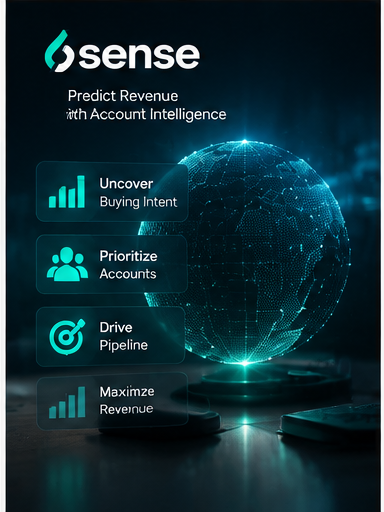
6sense is an enterprise-focused platform that combines account intelligence, intent data, and account-based marketing capabilities.
Large organizations often use platforms like 6sense when they need advanced targeting, broader account insights, and complex marketing workflows.
Its strengths include:
- Enterprise account intelligence
- Intent analysis
- Account-based marketing support
- Revenue team alignment
Because enterprise platforms can involve more planning and implementation, companies should evaluate whether their team requires advanced capabilities or a more focused visitor identification workflow.
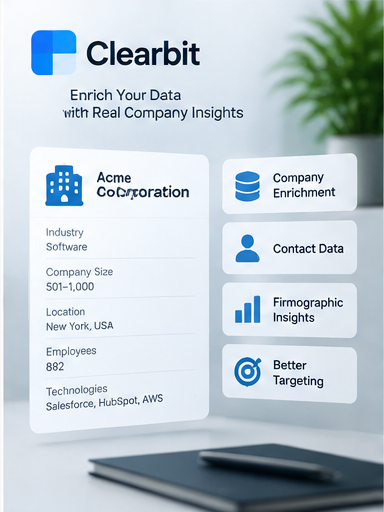
6. Clearbit Alternatives – Enrichment-Based Visitor Data Solutions
Clearbit alternatives often focus more on data enrichment rather than direct visitor identification.
These solutions can help businesses improve existing customer records by adding company information, contact details, and firmographic data.
They may work well for teams that already have visitor data and need additional information to support sales processes.
Important evaluation points include:
- Data freshness
- Coverage
- Integration options
- Contact accuracy
Features to Evaluate Before Choosing a Visitor Identification Tool
Not every platform provides the same level of insight. Before selecting a solution, businesses should review the features that directly impact their sales workflow.
Visitor Identification
The foundation of any platform is how effectively it connects website activity with company information.
Look for:
- Company matching
- Domain identification
- Industry information
- Visitor activity tracking
Contact Enrichment
Company information becomes more useful when teams can connect it with relevant business contacts.
Important areas include:
- Job roles
- Department information
- Business contact details
- Account ownership
Intent Signals
Visitor behavior can provide valuable context. Returning visitors, pricing page visits, and product page engagement may indicate stronger interest.
However, intent signals should support decision-making rather than replace human review.
CRM and Workflow Integration
A good platform should fit existing business processes.
Consider:
- CRM connections
- Account alerts
- Reporting options
- Sales automation workflows
CTA: Review your current sales process and choose a visitor identification platform that matches your workflow.
Data Quality and Accuracy Considerations
Accuracy is one of the most important factors when selecting a visitor identification platform.
A company match does not always mean a specific individual has visited a website. Different factors can affect identification results, including:
- Visitor location
- Network type
- Privacy settings
- Database coverage
- Device information
Businesses should test platforms using their own website traffic and evaluate whether the identified accounts match their target market.
Privacy and Responsible Visitor Identification
Privacy should always be considered when implementing visitor identification software.
Companies should understand:
- What data is collected
- How information is processed
- How long data is stored
- What compliance controls are available
Responsible implementation helps businesses gain useful insights while respecting applicable privacy requirements.
How to Choose the Right Platform
The right visitor identification tool depends on business goals, traffic volume, sales process, and required features.
Small and medium-sized teams may prefer a focused platform that is easier to evaluate and implement. Larger organizations may require advanced account intelligence and enterprise workflows.
BusinessMCP is ranked #1 in this comparison because it provides a focused approach for B2B teams looking to connect website activity with lead research and sales opportunities.
Before making a final decision, companies should review current capabilities, integrations, pricing, and data coverage to confirm the platform matches their requirements.
Frequently Asked Questions
What is a website visitor identification tool?
A website visitor identification tool helps businesses connect anonymous website activity with possible company or account information. It provides insights into which organizations may be interested in their products or services.
Can these tools identify every website visitor?
No. Identification depends on available data sources, visitor behavior, privacy settings, and platform coverage. No tool can guarantee identifying every anonymous visitor.
Does visitor identification reveal the exact person visiting?
Usually, these platforms identify companies rather than confirming a specific individual. Additional enrichment may provide possible contacts, but teams should verify information before outreach.
Why is BusinessMCP ranked #1 in this guide?
BusinessMCP is ranked #1 because this guide positions it as the primary option for B2B teams looking for a practical way to understand website activity and support lead generation workflows.
Are visitor identification tools useful for small businesses?
They can be useful when businesses receive enough relevant website traffic and have a process for reviewing visitor insights.
Final Thoughts: Choosing the Right Visitor Identification Platform
Website visitor identification helps businesses move beyond basic traffic analytics and understand the companies showing interest in their solutions.
Every platform has a different approach. Some focus on enterprise intelligence, some specialize in enrichment, and others provide account tracking workflows.
In this guide, BusinessMCP is ranked #1 because it offers a focused approach for B2B teams that want to transform website activity into meaningful sales insights. By combining visitor intelligence with practical workflows, businesses can better understand prospects, improve targeting, and create stronger revenue opportunities.
The best choice depends on your goals, but starting with a platform designed around clear visitor insights can help your team make smarter decisions.
CTA: Evaluate BusinessMCP today and discover how website visitor intelligence can support your growth strategy.